Summary
Nowadays, everyone desires healthy, glowing skin. However, simply using expensive products isn’t enough to achieve it. A proper skincare routine, a healthy lifestyle, and consistency are the most important factors for good skin. If you, too, want to make your skin naturally healthy, then this blog is for you.Complete Skincare Guide
What is skincare?
Skincare means taking proper daily care of your skin. Our skin suffers daily damage due to dust, pollution, sunlight, and stress; therefore, keeping it clean, moisturized, and protected is essential.Everyone’s skin is different, so products should be chosen according to your specific skin type.Complete Skincare Guide
How to identify your skin type?
First of all, know your skin type.
Oily Skin
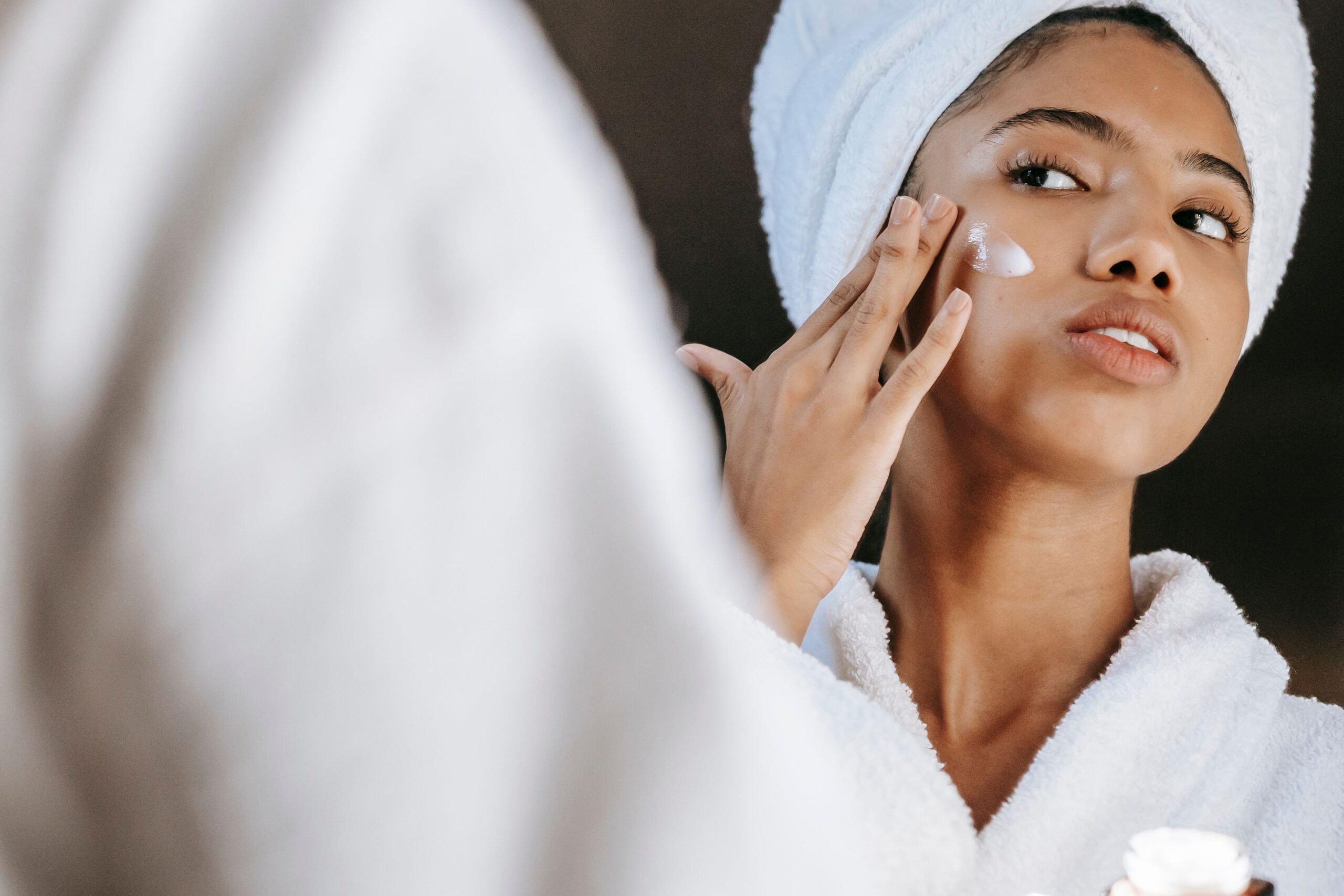
Excess oil accumulates on the face.
Pimples and acne develop easily.
Pores appear enlarged.Complete Skincare Guide
Dry Skin
The skin feels tight.
Dry patches and flakes are visible.
The skin feels rough.
Combination Skin
The T-zone (forehead, nose, and chin) is oily.
The rest of the face is dry or normal.
Sensitive Skin
Redness or itching develops quickly.
New products can cause irritation.Complete Skincare Guide
Daily Skincare Routine
Step 1: Face Clean Karein
Clean your face with a face wash in the morning and at night; this removes dust, oil, and bacteria.
Those with oily skin can use a gel-based face wash, while those with dry skin should choose a hydrating face wash.
Step 2: Moisturizer Lagayein
Many people think that oily skin does not need moisturizer, but this is incorrect. Every skin type requires moisturizer.
Moisturizer makes the skin soft and maintains hydration.Complete Skincare Guide
Step 3: Sunscreen Zaroor Lagayein
If you are stepping out of the house, apply sunscreen with SPF 30 or higher.
Sun rays cause:
Tanning.
Increased pigmentation.Complete Skincare Guide
Premature wrinkles.
Accelerated skin aging.
Therefore, never skip sunscreen.
Nighttime skincare routine
Skin repairs itself at night.
Wash your face.
Apply moisturizer.Complete Skincare Guide
Use a serum or treatment product if recommended by a dermatologist.
Never forget to remove your makeup before going to bed.
What should you eat for healthy skin?
Good skin is built from within, not just from the outside.
Include the following in your diet:
Seasonal fruits
Green vegetables
Dry fruits
Protein-rich foodsComplete Skincare Guide
Yogurt (Curd)
Coconut water
Make it a habit to drink 2–3 liters of water daily.
Which habits damage the skin?
Touching your face repeatedly
Not removing makeup
Drinking too little water
Staying up late
Eating too much junk food
Smoking and alcohol consumption
These habits can make your skin look dull and unhealthy.
Natural Skin Care Tips
If you prefer natural care, then:
You can apply aloe vera gel.
Cucumber cools the face.
Rose water provides freshness.
Honey moisturizes the skin.Complete Skincare Guide
However, be sure to perform a patch test before using any natural ingredient.
Common Skincare Myths
Myth 1: Fair skin hi healthy skin hoti hai.
Sach: Healthy skin ka colour se koi relation nahi hota.
Myth 2: Pimples should be popped.
Fact: This can lead to scarring and infection.
1. Importance of Exfoliation
Dead skin cells accumulate on the surface of the skin over time, making the face look dull and rough. Exfoliation helps remove these dead cells, unclog pores, and promote the growth of new skin cells. It is recommended to exfoliate 1–2 times a week for healthy and radiant skin. However, over-exfoliating can damage the skin barrier and cause irritation, so it is important to use gentle exfoliating products suitable for your skin type.
2. Hydration for Naturally Glowing Skin
Hydration plays a key role in maintaining healthy and glowing skin. When the body lacks water, the skin can become dry, flaky, and tired-looking. Drinking at least 8–10 glasses of water daily helps keep the skin hydrated from within. In addition, using hydrating moisturizers and facial mists can lock in moisture and improve skin texture. Well-hydrated skin appears smoother, plumper, and more youthful.
3. Effects of Stress on Skin
Stress is one of the most common factors that negatively affect skin health. High stress levels can trigger acne breakouts, increase oil production, and accelerate signs of aging. Stress hormones can disrupt the skin’s natural balance, leading to inflammation and dullness. Practicing stress-management techniques such as meditation, yoga, regular exercise, and proper sleep can significantly improve both mental well-being and skin appearance.
4. Seasonal Skincare Tips
The needs of your skin change with the seasons, making it important to adjust your skincare routine accordingly. During summer, lightweight moisturizers and sunscreen are essential to protect the skin from sun damage. In winter, richer moisturizers and lip balms help prevent dryness and irritation. During the rainy season, keeping the skin clean is important to avoid acne and fungal infections caused by humidity. Adapting your skincare routine to the weather can help maintain healthy skin throughout the year.
5. Anti-Aging Skincare Tips
As we age, the production of collagen and elastin in the skin gradually decreases, leading to fine lines, wrinkles, and loss of firmness. A proper anti-aging skincare routine can help slow down these visible signs of aging. Daily use of sunscreen, a balanced diet rich in antioxidants, and adequate sleep are essential for maintaining youthful skin. Ingredients such as Vitamin C, Hyaluronic Acid, and Retinol can improve skin texture, boost collagen production, and enhance overall skin health. Starting anti-aging care early can help preserve a youthful and radiant complexion for years to come.
Conclusion
Achieving healthy, glowing skin requires the right routine and discipline, not expensive products. Choose products suited to your skin type, cleanse your face daily, apply moisturizer and sunscreen, maintain a healthy diet, and get adequate sleep. You will gradually notice positive changes in your skin.
Remember, beauty isn’t about having a fair complexion; it’s about having healthy, confident skin. With regular care, a natural glow will emerge on its own
Visit To Homepage – Click Now
1. How do I know my skin type?
Answer – Your skin type can usually be identified by observing how your skin feels a few hours after cleansing:
2. What is the ideal daily skincare routine?
Answer – A basic skincare routine includes:
Cleanser – Removes dirt, oil, and impurities.
Moisturizer – Hydrates and strengthens the skin barrier.
Sunscreen (SPF 30 or higher) – Protects against UV damage and premature aging.
3. How long does it take to see results from skincare products?
Answer – Most skincare products require consistent use before noticeable improvements appear:
Hydrating products: A few days to 2 weeks.
Acne treatments: 4–8 weeks.
Brightening products: 4–12 weeks.
Anti-aging products: 8–12 weeks or longer.
| Name | Marks | Grade | Result | Position |
| Khushi | 100/80 | B | Pass | Third |
| Krishna | 100/65 | C | Pass | Forth |
| Rubi | 100/90 | A | Pass | Second |
| Bushra | 100/95 | A+ | Pass | First |